Recycled content is the easiest win
Most corrugated board already contains a high share of recycled fibre. Specifying post-consumer recycled content costs little, changes nothing structurally, and is the single easiest sustainability improvement most brands can make.
Kraft looks natural — but check the coating
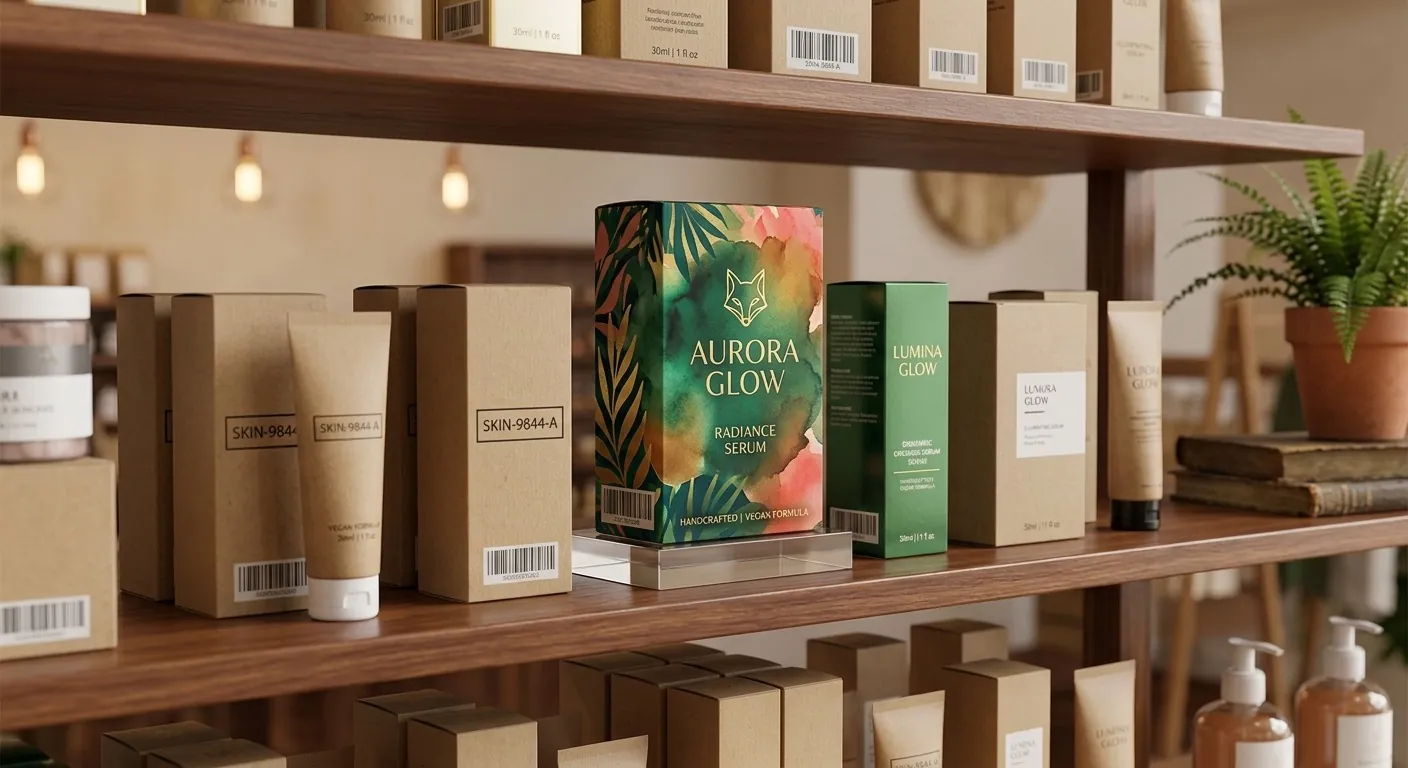
Unbleached kraft signals sustainability instantly. Just be careful: a glossy plastic laminate on top of kraft can make the box harder to recycle than a plain white one. If you want the natural look, pair it with an aqueous or matte varnish instead of a film lamination.
Inks matter less than you think
Soy and vegetable-based inks are a genuine improvement over petroleum inks, but ink is a tiny fraction of the box by weight. Prioritise the board and the coating first; treat inks as a bonus, not a headline.
Right-sizing beats every material choice
The greenest packaging is the packaging you did not use. Shrinking a box by even 10% reduces board, void fill, and shipping volume all at once — and it usually lowers your cost per unit too.